Savings account vs money market account: which Five Rivers account fits you?

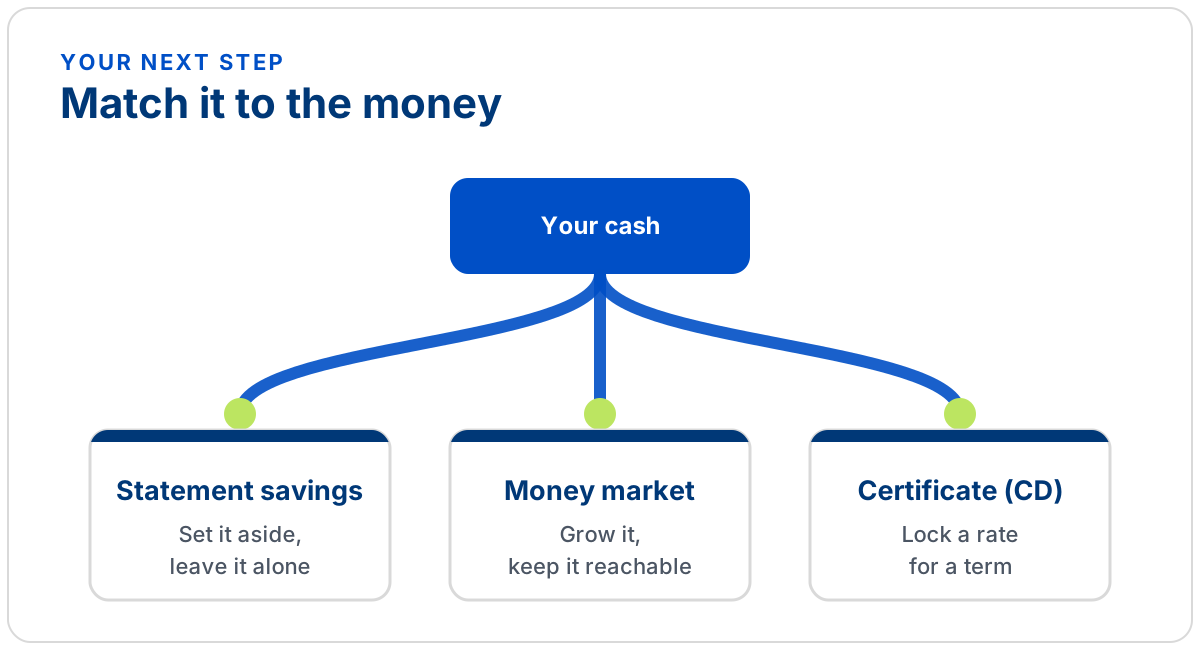
At Five Rivers the choice is between two savings accounts, both $500 to open and both FDIC-insured. What separates them is what the money is for: statement savings to set cash aside, or a money market that earns more and stays reachable.
We field this question across the counter on Route 4 most weeks, usually from someone deciding where to put a bonus, the check from a home sale, or money that has outgrown a plain savings account. Here is how to think it through.
Start with what the money is for
Skip the abstract comparison and start with the job the money has to do. If this is an emergency fund or cash you want to set aside and rarely touch, the statement savings account does that with no fuss, and keeping it a little out of reach is a feature, not a drawback. If it is money you want to grow while still being able to get at it quickly, the money market account is built for exactly that. The difference between savings and money market really comes down to one question: is the money resting, or is it working?
What a statement savings account does
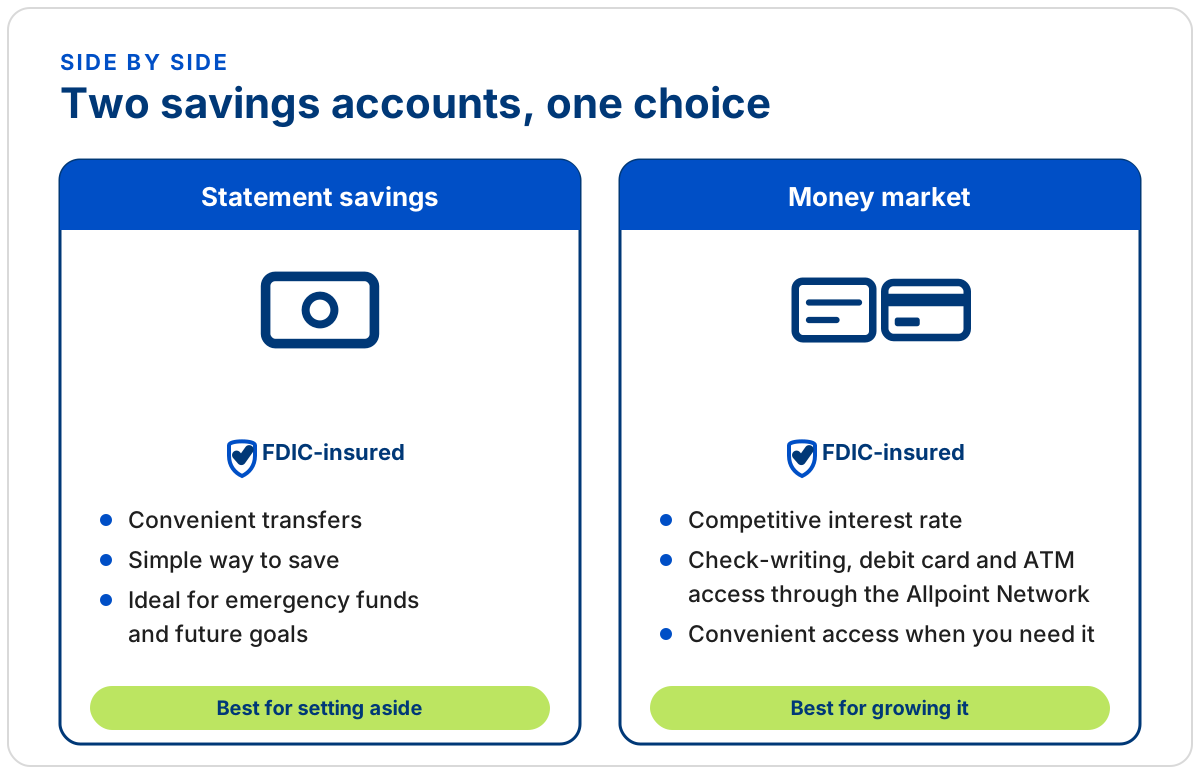
The statement savings account is the straightforward one. It keeps your money safe, earns interest, and asks nothing of you. You add to it and draw from it by transfer, either between your Five Rivers accounts or from another bank. There is no check-writing on it, which is part of why it suits an emergency fund: the small bit of friction keeps you from dipping into savings for everyday spending. It opens with $500.
What a money market account does
A money market account does more of the work. It earns a competitive rate, and it adds everyday access on top: check-writing, a debit card, and ATM access through the Allpoint Network, so you can pay a contractor or cover a large one-off cost straight from the account instead of waiting on a transfer. It opens with $500.
Statement savings vs money market at a glance
Which one earns more
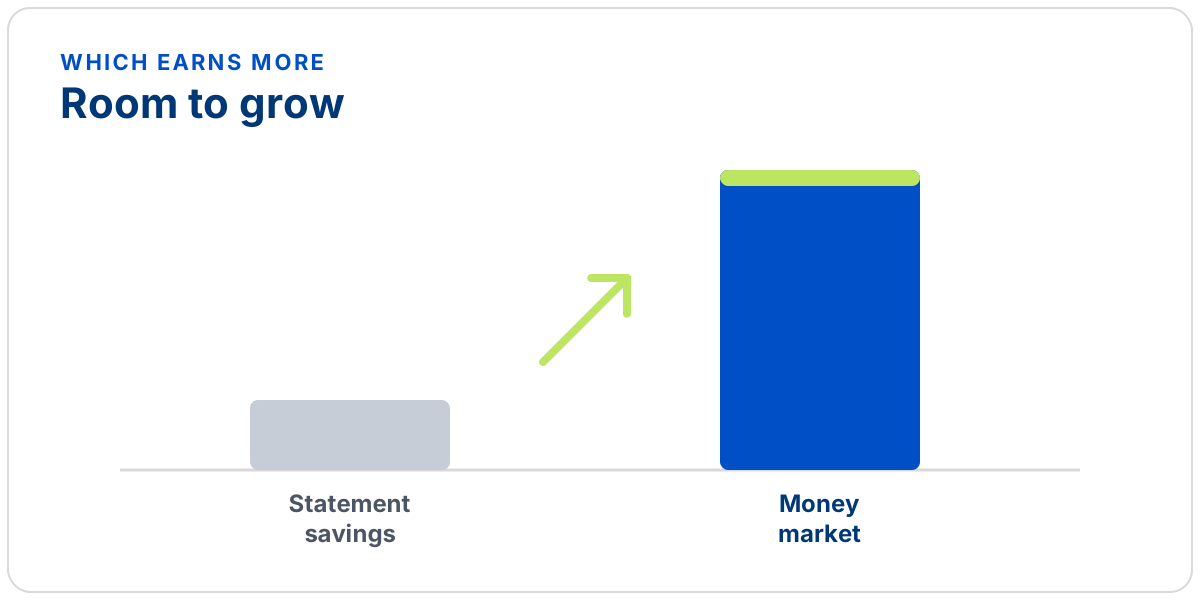
For money you can leave alone, the statement account does the job and keeps things simple. If you want that money working harder while staying within reach, the money market earns more. It is the bank's competitive savings vehicle. Because deposit rates are variable and can change at any time, it is worth asking what the account pays the day you open rather than trusting a figure you saw last month.
Keeping both under one roof
Plenty of savers use both: the statement savings account for the set-and-forget emergency fund, the money market for money they want growing and reachable. Hold both at Five Rivers and you can move balances between them in a single login, or call and have someone on our team do it with you, instead of waiting days for a transfer between banks. Both are covered by FDIC insurance up to $250,000 per depositor, per insured bank, per ownership category, so neither choice trades safety for convenience. Member FDIC.
You can see the current terms for both on our personal banking page. Open either account with $500 at our Route 4 branch in Paramus, or call (201) 556-9000 and our banker will walk you through it.